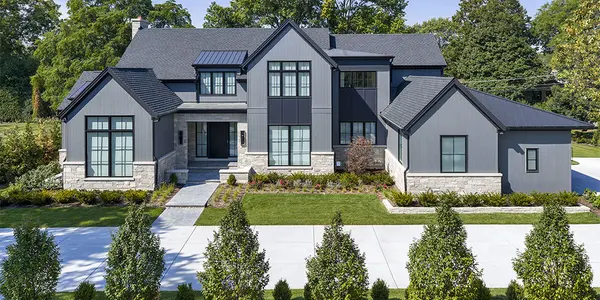
Chicago Real Estate Market Explained: Trends, Pricing & Opportunities for 2026
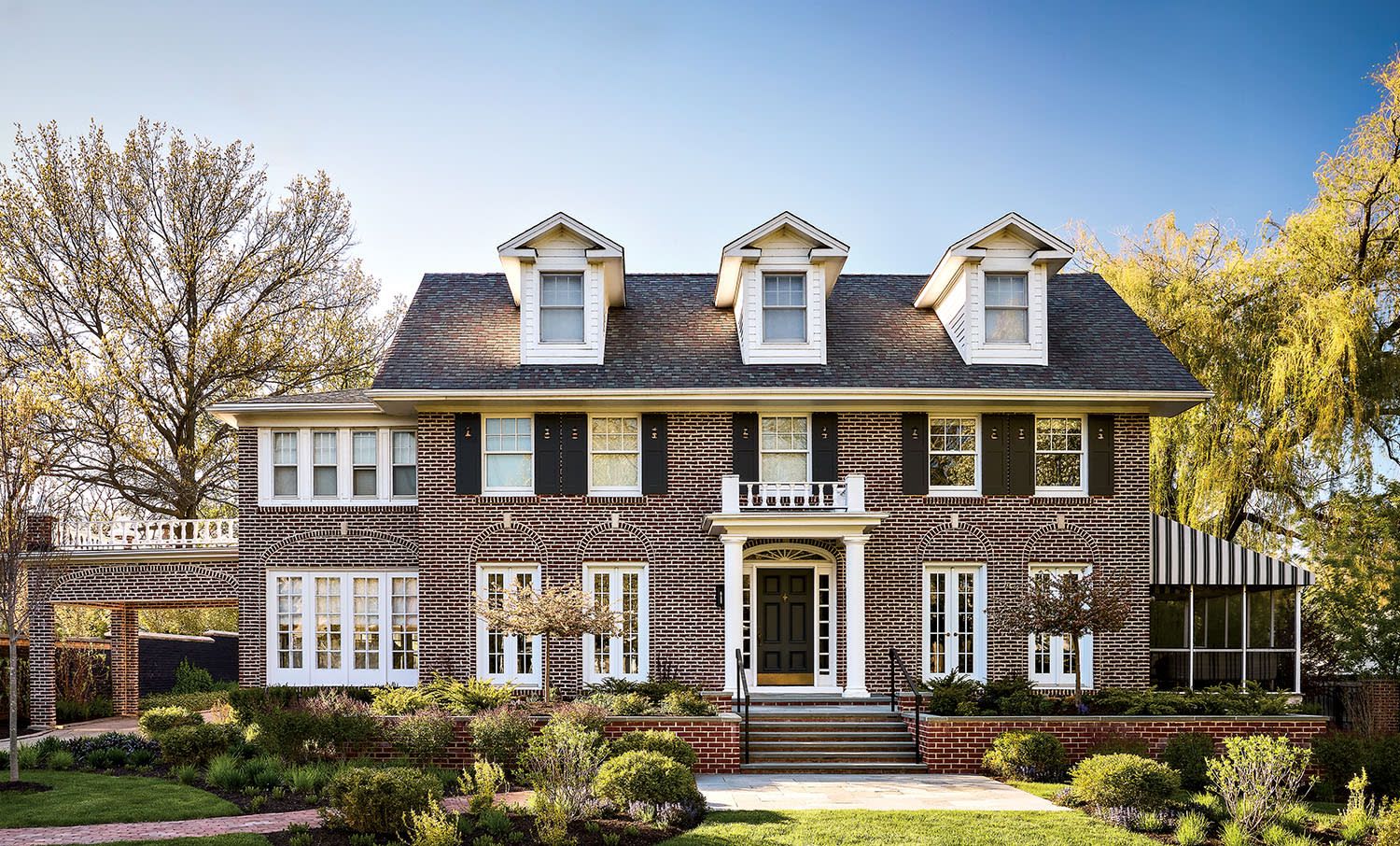
Chicago Real Estate Market Explained: Trends, Pricing & Opportunities for 2026
The Chicago real estate market continues to attract both local and out-of-state buyers due to its strong economy, diverse neighborhoods, and long-term investment potential. Whether you are moving from Florida or looking to expand your investment portfolio, understanding current trends is essential to making smart decisions in 2026.
Chicago remains one of the most stable large-city housing markets in the United States, offering a balance of affordability and appreciation that many coastal cities no longer provide.
For buyers and investors exploring opportunities, you can also explore trusted local listings and guidance through The Whitmore Group, which specializes in helping clients navigate competitive Chicago neighborhoods with confidence.
Overview of the Chicago Real Estate Market in 2026
The Chicago real estate market in 2026 is shaped by steady demand, limited inventory in prime neighborhoods, and increasing interest from remote professionals and investors. Unlike highly volatile markets, Chicago shows consistent price movement with gradual appreciation over time.
A major driver of this stability is the city’s economic diversity. Chicago is home to major industries such as finance, healthcare, education, logistics, and technology. This creates a strong rental base, ensuring consistent housing demand across both luxury and mid-range properties.
According to data from the Chicago Association of REALTORS®, housing demand has remained resilient even during broader national market shifts, reinforcing Chicago’s position as a long-term investment hub.
Chicago Real Estate Pricing Trends and Market Behavior
Pricing in Chicago varies significantly depending on neighborhood, property type, and proximity to downtown or lakefront areas. While luxury neighborhoods continue to see strong price growth, emerging areas are offering more affordable entry points for first-time investors.
Over the past year, the market has shown moderate price increases in high-demand zones such as the Gold Coast, Lincoln Park, and River North. Meanwhile, neighborhoods undergoing redevelopment continue to attract value-focused buyers seeking long-term appreciation.
Compared to cities like Miami or New York, Chicago still offers relatively lower cost per square foot, making it appealing for both domestic and international investors.
Key Factors Driving Chicago Real Estate Growth
The strength of the Chicago housing market is not driven by one factor but a combination of economic and lifestyle elements.
Employment opportunities play a major role, as the city remains a major corporate hub in the Midwest. Population stability also supports housing demand, especially in urban cores where rental activity remains strong.
Infrastructure improvements, including transit upgrades and downtown development projects, continue to enhance property values in surrounding neighborhoods. At the same time, remote work trends have expanded buyer interest into suburban and mixed-use communities.
Another important factor is rental demand. Chicago maintains one of the strongest rental markets in the country, especially for multi-family and condo investments.
Investment Opportunities in Chicago Real Estate
The Chicago real estate market offers diverse investment opportunities ranging from luxury condos to multi-family buildings and value-add properties. Investors often focus on neighborhoods where redevelopment is actively taking place, as these areas tend to provide higher long-term returns.
Downtown areas remain strong for luxury rentals and corporate housing demand, while neighborhoods slightly outside the core offer better cash flow potential. Many investors from Florida are drawn to Chicago due to its consistent rental income model compared to seasonal vacation rental markets.
Multi-family properties continue to be one of the most stable investment types, especially in areas with high tenant demand and access to transportation.
Chicago vs Other Major U.S. Markets
When compared to cities like Los Angeles, New York, and Miami, Chicago presents a more balanced investment environment. While appreciation may be slower in some areas, affordability and rental stability often compensate for it.
Florida markets, for example, rely heavily on tourism-driven demand and seasonal occupancy. In contrast, Chicago provides year-round rental consistency due to its large working population and university presence.
This makes Chicago especially attractive for investors seeking predictable cash flow rather than short-term seasonal gains.
Emerging Neighborhood Trends in Chicago
Several neighborhoods are expected to see continued growth in 2026. Areas such as West Loop, Fulton Market, and Bronzeville are undergoing rapid transformation due to new developments, commercial expansion, and increased buyer interest.
These neighborhoods are becoming attractive not only for residential buyers but also for investors seeking appreciation potential over the next decade. As infrastructure and lifestyle amenities improve, property values are expected to follow upward trends.
Data Insight on Chicago Housing Demand
Recent housing data shows that Chicago continues to experience strong demand in both rental and ownership segments. Vacancy rates remain relatively low in high-demand urban zones, indicating sustained interest from tenants and buyers alike.
Future Outlook for Chicago Real Estate in 2026
The future of Chicago real estate looks stable with gradual growth rather than sharp spikes. Experts expect continued demand in urban neighborhoods, especially those close to employment hubs and transportation routes.
Sustainability trends, smart home adoption, and mixed-use developments will likely shape new construction projects. Investors focusing on long-term holds are expected to benefit the most from these steady market conditions.
Out-of-state buyers, particularly from Florida, are increasingly exploring Chicago for diversification and stronger rental predictability.
Conclusion: Is Chicago Real Estate Worth Investing In?
The Chicago real estate market in 2026 offers a strong combination of affordability, stability, and long-term growth potential. While it may not experience the rapid price surges seen in some coastal cities, its consistent demand and diverse economy make it one of the most reliable markets in the United States.
For buyers and investors seeking expert guidance and access to premium opportunities, The Whitmore Group provides local market expertise to help you make informed decisions and maximize returns.
FAQs
Chicago real estate continues to attract attention from both buyers and investors due to its stability and affordability compared to other major U.S. cities.
What is the current trend in Chicago real estate?
The market is showing steady demand with moderate price growth in high-demand neighborhoods and stable rental activity across the city.
Is Chicago real estate a good investment in 2026?
Yes, it offers strong rental income potential, long-term appreciation, and lower entry prices compared to coastal markets.
Which areas in Chicago are best for real estate investment?
West Loop, Lincoln Park, Bronzeville, and River North are among the most attractive areas for both buyers and investors.
How does Chicago compare to Florida real estate markets?
Chicago offers more stable year-round rental income, while Florida markets are more seasonal and tourism-dependent.
Why are investors interested in Chicago real estate?
Investors are attracted by affordability, strong rental demand, economic diversity, and consistent long-term growth potential.