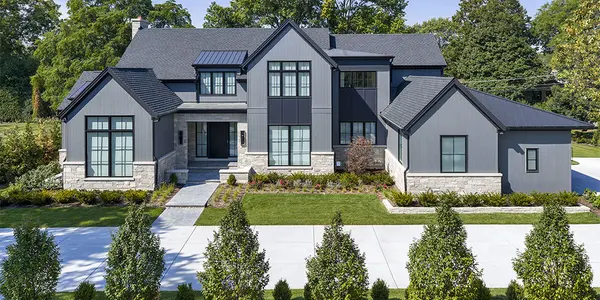
How to Evaluate a Multi-Family Investment Property in Chicago for Maximum ROI

How to Evaluate a Multi-Family Investment Property in Chicago for Maximum ROI
Investing in a multi-family investment property Chicago market can be one of the most effective ways to build long-term wealth and generate consistent cash flow. Chicago’s strong rental demand, diverse economy, and urban population make it a top choice for both local and out-of-state investors, including those relocating from Florida.
If you are new to multi-family investing or looking to improve your returns, understanding how to properly evaluate a property is critical. Small mistakes in analysis can significantly impact your ROI, vacancy rates, and long-term appreciation.
In this guide, you’ll learn exactly how to evaluate multi-family properties like a professional investor, using proven strategies and market insights.
Understanding Multi-Family Investment Property Chicago Market
The multi-family investment property Chicago market includes duplexes, triplexes, four-flats, and larger apartment buildings. These properties are highly attractive because they generate multiple income streams from a single asset.
Chicago stands out due to:
- Strong tenant demand across neighborhoods
- Relatively affordable entry prices compared to coastal cities
- Stable long-term rental market supported by working professionals and students
- High potential for value-add renovations
Investors from Florida often compare Chicago’s consistent rental income with Florida’s seasonal vacation rental model, but Chicago offers more predictable monthly cash flow.
Key Metrics to Evaluate ROI in Multi-Family Properties
Before purchasing any property, understanding financial performance is essential. Investors typically analyze several core metrics to determine whether a deal is worth pursuing.
Net Operating Income (NOI)
NOI is one of the most important indicators of profitability. It represents the income left after operating expenses but before mortgage payments.
Cap Rate
Cap rate helps compare investment opportunities across different properties and locations. A higher cap rate often indicates higher risk but better return potential.
Cap Rate=Net Operating IncomeProperty Value\text{Cap Rate} = \frac{\text{Net Operating Income}}{\text{Property Value}}Cap Rate=Property ValueNet Operating Income
Cash Flow
Cash flow measures the actual money you earn after all expenses, including financing costs. Positive cash flow is essential for long-term success.
Occupancy Rate
High occupancy rates indicate strong rental demand and lower vacancy risk, especially in neighborhoods close to transit and employment hubs.
Best Chicago Neighborhoods for Multi-Family Investments
Location plays a major role in determining ROI for any multi-family investment property Chicago investors consider.
Logan Square
Known for strong rental demand and rising property values, Logan Square attracts young professionals and long-term tenants.
Pilsen
Pilsen offers relatively affordable multi-unit properties with strong appreciation potential due to ongoing neighborhood development.
Bronzeville
Bronzeville is experiencing revitalization, making it attractive for value-add investors seeking long-term growth.
West Town
West Town combines strong rental income potential with proximity to downtown Chicago, making it a competitive investment zone.
Each of these neighborhoods offers different risk and reward profiles, so aligning your strategy with location is essential.
How to Evaluate Property Condition and Value-Add Potential
One of the biggest opportunities in Chicago’s multi-family market is value-add investing. This means purchasing underperforming properties and increasing their value through improvements.
When evaluating property conditions, focus on structural and operational factors rather than cosmetic appeal alone.
Key considerations include:
- Age of major systems (roof, plumbing, electrical)
- Unit layout efficiency and rental usability
- Maintenance history and deferred repairs
- Potential for rent increases after upgrades
A well-planned renovation strategy can significantly increase rental income and overall property value.
Financing and Cash Flow Strategy
Financing plays a critical role in determining ROI for a multi-family investment property Chicago buyers pursue. Many investors use leverage to maximize returns while managing risk.
Common financing options include:
Conventional loans for stabilized properties
FHA loans for owner-occupied multi-family units
Commercial loans for larger apartment buildings
Out-of-state investors, especially from Florida, often rely on local lenders familiar with Chicago’s rental regulations and market conditions. Choosing the right financing structure can determine whether your investment produces strong or weak cash flow.
Risk Factors Every Investor Should Consider
While Chicago offers strong investment opportunities, it also comes with risks that must be carefully evaluated.
Some key risks include tenant turnover in certain neighborhoods, property tax fluctuations, and maintenance costs in older buildings. Regulatory requirements for rental properties can also vary depending on building size and zoning laws.
Understanding these risks early allows investors to build a more stable long-term strategy.
Data-Backed Insight: Chicago Rental Market Strength
According to the Chicago Association of REALTORS® market data, rental demand remains strong across major urban neighborhoods, especially in multi-unit residential properties. This consistent demand supports stable occupancy rates and long-term income potential for investors.
Step-by-Step Approach to Evaluating a Deal
A professional investor typically follows a structured evaluation process before making an offer.
Start by analyzing comparable rental income in the area. Then review property expenses, including taxes, insurance, and maintenance. After that, assess renovation needs and estimate post-renovation rental potential.
Finally, calculate projected cash flow under conservative assumptions to ensure the deal remains profitable even under market fluctuations.
Conclusion: Is Multi-Family Investing in Chicago Worth It?
A multi-family investment property Chicago offers strong potential for consistent income, long-term appreciation, and portfolio diversification. When evaluated correctly, these properties can deliver excellent ROI compared to many other U.S. markets.
Success depends on understanding key financial metrics, choosing the right neighborhood, and carefully analyzing property condition and risk factors.
If you are considering entering the Chicago multi-family market, working with experienced real estate professionals like The Whitmore Group can help you identify high-performing opportunities and avoid costly mistakes.
FAQs
What is a good ROI for multi-family property in Chicago?
A strong ROI typically ranges between 8% to 12%, depending on location, financing, and property condition.
Is Chicago good for multi-family real estate investment?
Yes, Chicago offers strong rental demand, stable cash flow potential, and affordable entry points compared to coastal cities.
Which neighborhoods are best for multi-family investments in Chicago?
Logan Square, Pilsen, Bronzeville, and West Town are among the most attractive areas for investors.
How do I calculate ROI on a multi-family property?
ROI is calculated by dividing annual return by total investment cost, including purchase and renovation expenses.
Can out-of-state investors buy multi-family properties in Chicago?
Yes, many investors from Florida and other states successfully invest in Chicago using local property managers and lenders.